Cash ISA limit drops to £12,000 from April 2027 for under-65s — maximise this year
- 1Cash ISA limit drops to £12,000 from April 2027 for under-65s — maximise this year
- 2Total ISA allowance remains £20,000 across all ISA types
- 3Higher dividend tax rates make stocks and shares ISAs more valuable than ever
- 4ISA allowances are use-it-or-lose-it — you can't carry them forward
The 2026/27 tax year might just be your last chance to stash away a full £20,000 into a cash ISA, at least if you're under 65. That's right. From April 2027, the government plans to cap cash ISA contributions for younger investors at a mere £12,000. The overall £20,000 ISA allowance? That's staying put. But here's the thing: this change makes your ISA strategy for the current tax year more critical than ever before.
Understanding the ISA Landscape in 2026/27
| ISA Type | Annual Limit | Key Feature |
|---|---|---|
| Cash ISA | Up to £20,000* | Tax-free interest |
| Stocks & Shares ISA | Up to £20,000* | Tax-free growth & dividends |
| Lifetime ISA | £4,000 | 25% government bonus |
| Innovative Finance ISA | Up to £20,000* | Tax-free peer-to-peer returns |
| Junior ISA | £9,000 | For under-18s |
*Total across all ISAs cannot exceed £20,000
Why This Year Matters
Look, this upcoming reduction in the cash ISA limit is a big deal. From April 2027, if you're under 65, you'll only be able to put £12,000 into cash ISAs. What about the rest of your allowance? Well, that remaining £8,000 would need to find a home in stocks and shares, innovative finance, or even Lifetime ISAs.
This isn't just a minor tweak; it creates a genuine window of opportunity. Frankly, if you've been dreaming of building up a substantial tax-free cash buffer, this is absolutely the year to make it happen. Don't miss out.
Strategy 1: Maximise Cash ISA Before the Cap
Got savings just sitting there in taxable accounts? Now's the time to act. Consider moving up to £20,000 into a cash ISA this year. Sure, the personal savings allowance (£1,000 for basic rate, £500 for higher rate taxpayers) already makes some interest tax-free. But an ISA? That shields all your interest from tax, no matter how much you earn. Pretty sweet, right?
Best for: Risk-averse savers, emergency fund builders, those approaching retirement.
Strategy 2: Split Between Cash and Stocks & Shares
Perhaps a more balanced approach is your style. You could put £12,000 into a cash ISA — neatly matching next year's limit — and then allocate the remaining £8,000 to a stocks and shares ISA. This strategy offers some compelling benefits:
- You get a solid tax-free cash buffer for those inevitable short-term needs.
- You unlock long-term growth potential through investments.
- It provides a super smooth transition to next year's new rules.
Best for: Moderate risk tolerance, medium to long-term goals.
Strategy 3: Maximise Stocks & Shares ISA
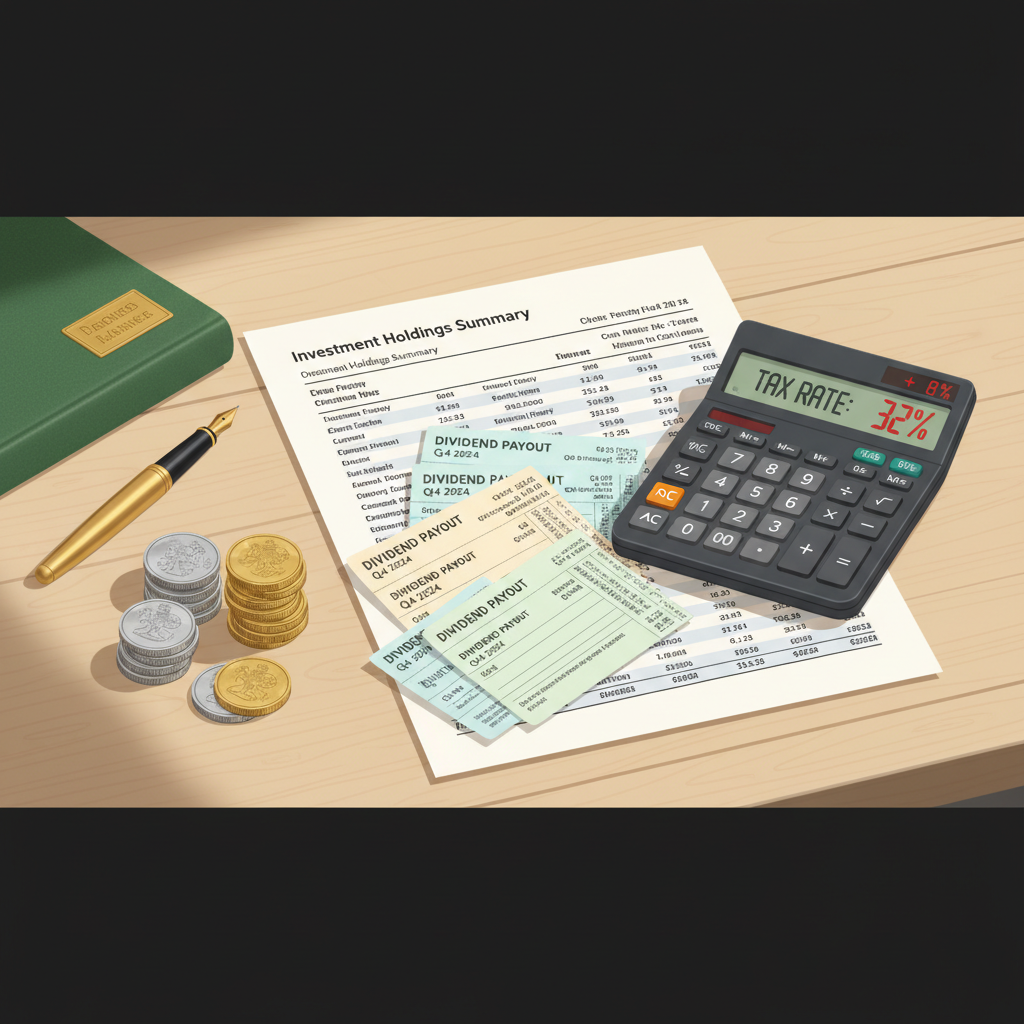
Let's be real: with dividend tax rates set to climb in 2026/27 (basic rate hitting 10.75%, higher rate a hefty 35.75%), sheltering your investments in an ISA is becoming more valuable by the day. Every bit of growth, all those dividends, and any interest within a stocks and shares ISA are completely tax-free. It's a no-brainer for many.
Best for: Long-term investors, those paying higher dividend tax rates.
Strategy 4: Lifetime ISA for First-Time Buyers
Are you under 40 and saving for your very first home? Then the Lifetime ISA is practically calling your name. It offers a fantastic 25% government bonus on contributions up to £4,000 per year. That's a guaranteed £1,000 bonus annually — honestly, you'd be hard-pressed to find a better deal.
Best for: First-time buyers under 40, retirement savers under 40.
Don't Forget Junior ISAs
Parents and grandparents, listen up! You can contribute up to £9,000 per year into a Junior ISA. Thanks to the magic of compound growth over 18 years, even modest, regular contributions can build up a truly significant sum by the time a child reaches adulthood. It's a wonderful head start.
Key Dates to Remember
- 6 April 2026: New ISA year starts — time to use your full allowance!
- 5 April 2027: The absolute last day to use your 2026/27 ISA allowance.
- 6 April 2027: The new cash ISA limit of £12,000 officially kicks in (for under 65s).
Here's the crucial part: the ISA allowance follows a strict use it or lose it rule. You simply cannot carry any unused allowance into the next tax year. So, start early, try to contribute regularly, and make the most of this year's generous limits while they last.
Sources: HMRC ISA Guidance (April 2026), Fidelity International (April 2026), MoneyHelper (2026)
Frequently Asked Questions
Cite This Article
TaxInsight UK Finance Editorial Team. (2026). ISA Strategy 2026: How to Maximise Your Tax-Free Savings Before the Rules Change. TaxInsight UK Finance. https://taxinsight-uk-finance.pages.dev/article/isa-strategy-2026-how-to-maximise-your-tax-free-savings-before-the-rules-change/
TaxInsight UK Finance Editorial Team (2026) 'ISA Strategy 2026: How to Maximise Your Tax-Free Savings Before the Rules Change', TaxInsight UK Finance. Available at: https://taxinsight-uk-finance.pages.dev/article/isa-strategy-2026-how-to-maximise-your-tax-free-savings-before-the-rules-change/
How This Article Was Created
Sourced from HMRC guidance, GOV.UK, and authoritative financial publications.
Initial draft created with AI assistance for comprehensive coverage.
Reviewed and verified by our editorial team for accuracy and clarity.